
The Language of Line
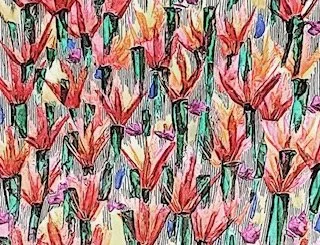
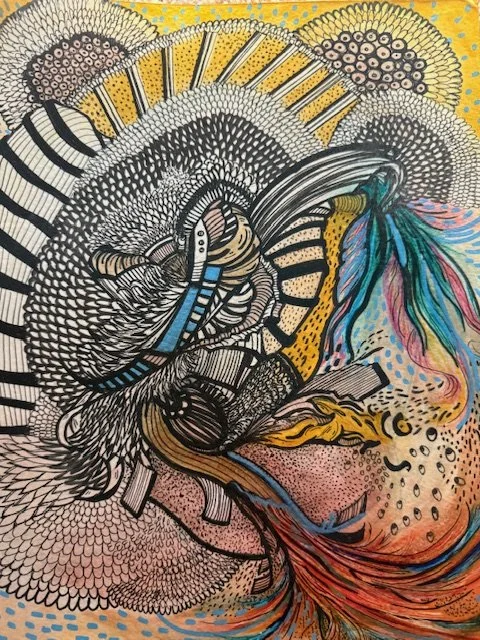
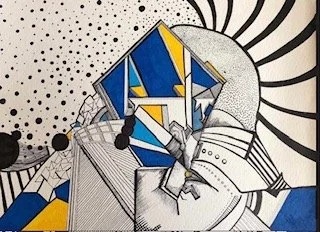
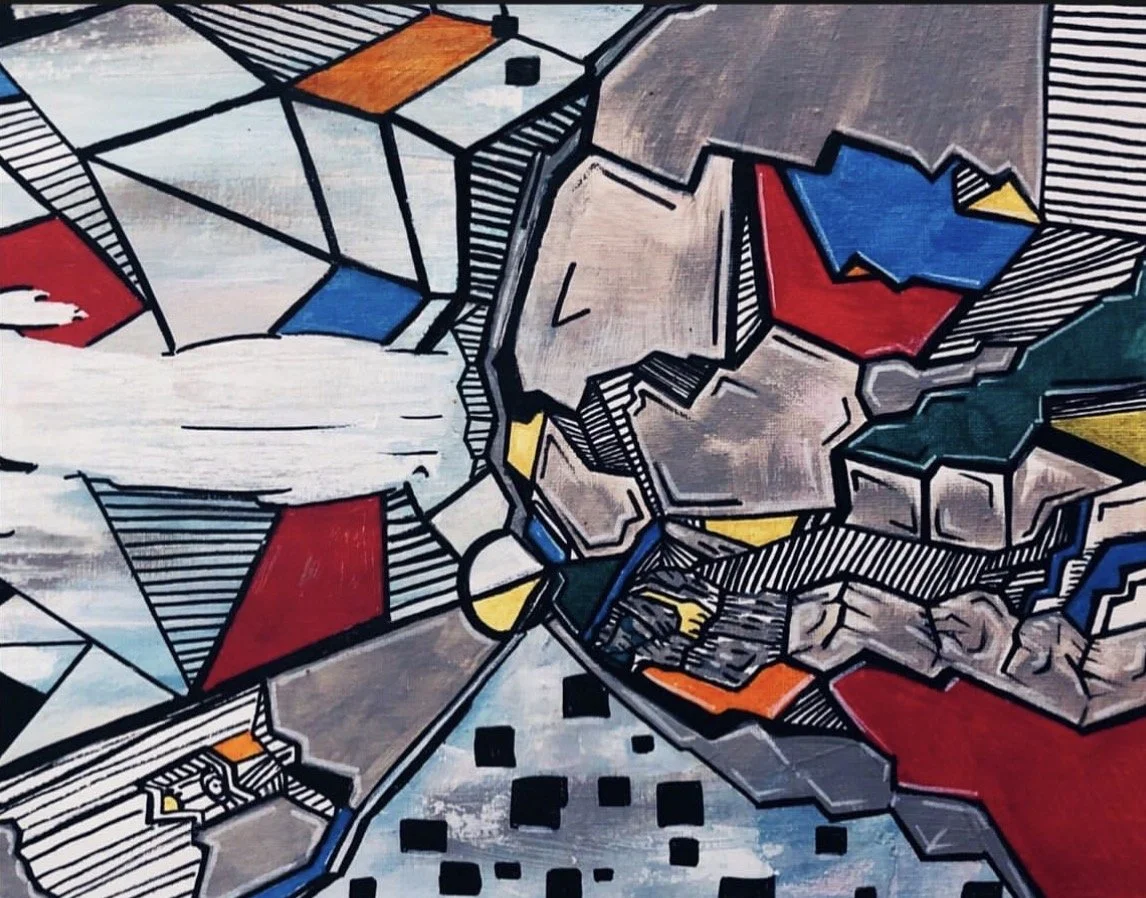
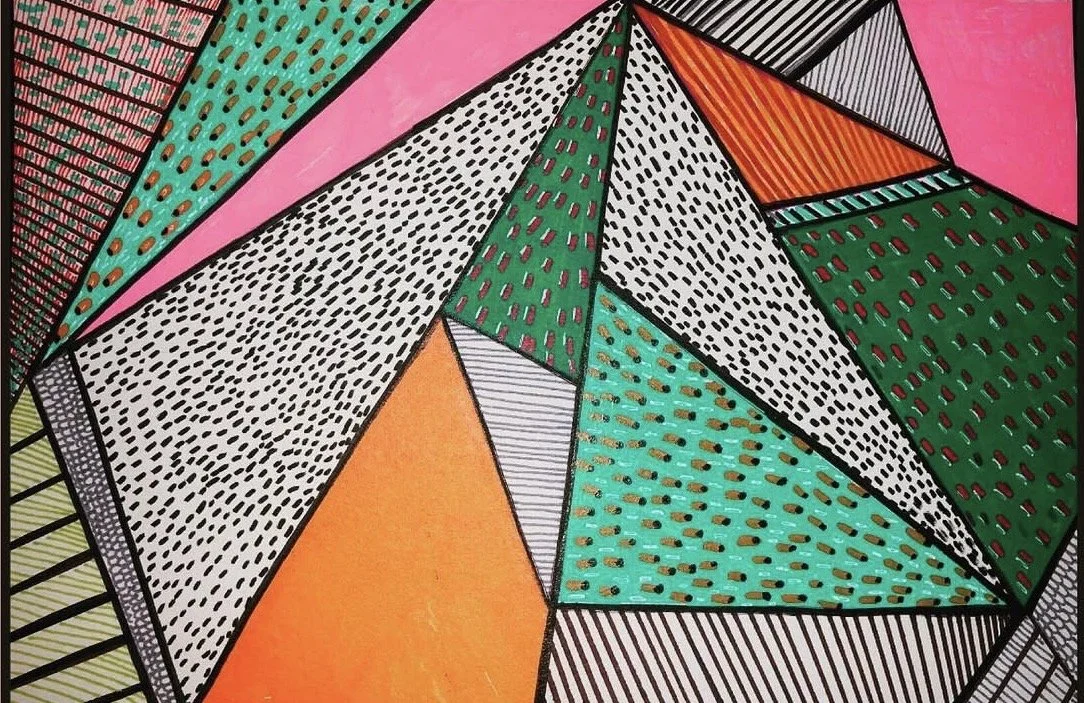
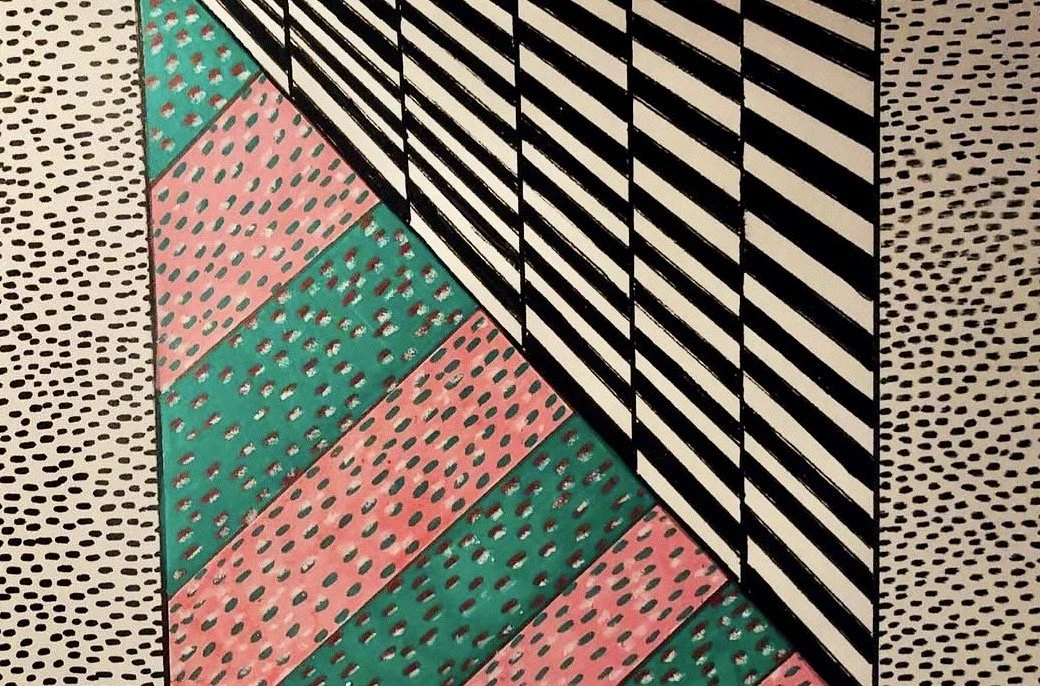
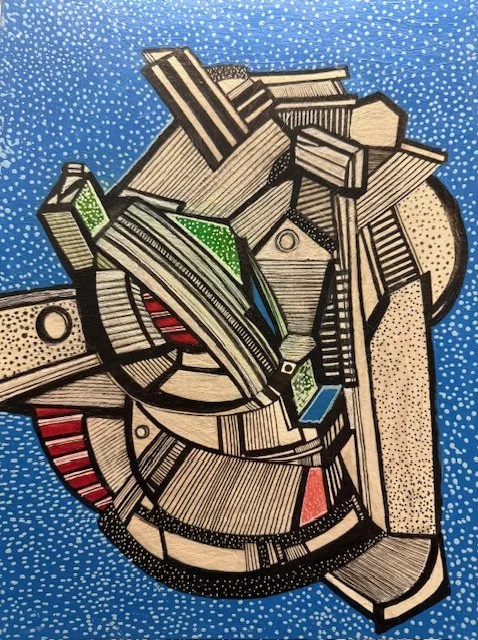
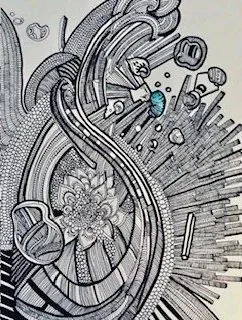
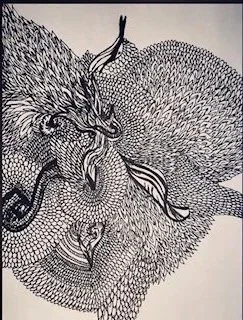
Where healing, repetition, and human experience become visual language.
-
Descriptio
The Language of Line began before I had a name for it.I was creating marks, patterns, repetitions, and structures as a way of processing experiences I could not always explain with words.
Living with ADHD means my mind rarely moves in a straight line. It notices fragments, patterns, movement, interruptions, and connections that others may overlook. PTSD has taught me that memory does not move in a straight line either. It repeats. It circles back. It hides beneath the surface and unexpectedly reappears.
My work reflects that experience.
Each line becomes a thought, a memory, a breath, a disruption, or a decision to continue. Individually, the marks may seem small. Together, they create a visual record of persistence.
The Language of Line is the record of staying.
-
I am a contemporary multidisciplinary artist whose practice has been shaped by ADHD, PTSD, MCAS, and an ongoing journey of healing.
These experiences affect how I process time, memory, emotion, and my physical environment. Repetition can become grounding. Detail can become refuge. Creating structure through line allows me to turn internal experiences into something visible.
I do not create this work because healing is neat or complete. I create it because healing is layered, interrupted, repetitive, and deeply human.
My diagnoses are not the entirety of my identity, but they have changed the language through which I understand and create art.
-
Each piece begins without a fully determined ending.
I build the composition through thousands of hand-drawn marks. Lines overlap, disappear, return, and form relationships with the marks around them.
Some areas feel controlled. Others resist control.
I work through repetition until movement, structure, and imagery begin to emerge. The process requires time, concentration, and trust. It cannot be perfectly duplicated because each work records the specific state of mind, body, and experience from which it was created.
-
A Language of Line original is more than an intricate drawing.It is a one-of-one record of time, movement, and lived experience. From a distance, the work may appear balanced and unified. Up close, the collector discovers thousands of individual marks, interruptions, pathways, and hidden details.
The artwork changes as the viewer changes. New shapes and relationships continue to reveal themselves over time.
Each original is signed and accompanied by a Certificate of Authenticity and a written statement documenting its place within the Language of Line collection.
-
The Language of Line is an evolving interdisciplinary practice examining the relationship between repetitive mark-making, neurodivergence, trauma, memory, chronic illness, and resilience.
Through intimate works on paper, large-scale compositions, installation, writing, and community programming, the project explores how invisible internal experiences can be translated into a shared visual language.
Future development may include enlarged line-based installations, immersive exhibition environments, artist talks, workshops, and collaborative programs serving neurodivergent individuals, trauma survivors, and people living with chronic illness.
Grant support would allow the project to expand in scale, accessibility, documentation, material exploration, and public engagement.
The “Filler Art” Story
The Moment That Changed Everything
When I was in art college, one of my professors looked at my work and called it “filler art.”
I don’t know if they meant it as a passing critique or a challenge to push me in another direction.
What I know is how I heard it.
Because to me, line had never been filler.
Long before I understood composition or contemporary art, I understood what a line could mean.
A line could mark time.
A line could become a tally.
A score.
A wound.
A memory.
A promise to keep going one more day.
Those weren’t empty marks to me. They were evidence that something had happened.
For a while, I believed what I had been told. I questioned whether the language I instinctively spoke through art had any value at all. That moment didn’t just affect my work—it affected my relationship with myself.
Years later, I realized something.
What someone else dismissed as “filler” was actually the foundation of everything I create.
Every line carries weight.
Every repetition records time.
Every mark is a decision.
The Language of Line was born the day I stopped trying to prove that line mattered and started showing what it could hold.
Today, thousands of hand-drawn marks come together to tell stories that no single line could tell on its own.
What once felt like the part of me that needed to be erased has become the most recognizable part of my artistic voice.
The Language of Line isn’t about drawing lines.
It’s about honoring the lives we have lived, one mark at a time.
VLAW Russell
Victoria